Advertisement
Imagine you are traveling overseas, enjoying the beautiful scenery and food, when suddenly you realize your wallet is missing! The wallet may contain cash, credit cards, ID cards and other important documents. This situation would undoubtedly cause panic and anxiety. So, what should we do if we unfortunately lose our wallet while traveling? Today, we will talk about coping strategies when you lose your wallet overseas, hopefully it will help you stay calm and solve the problem smoothly while traveling.
Step 1 after losing your wallet: stay calm
The first thing to do after realizing your wallet is missing is to stay calm. While the feeling of losing your wallet is very unsettling, panicking will not help you solve the problem. Take a deep breath and try to calm yourself down by remembering where and when your wallet was last seen. This will help you think more clearly about what to do next.
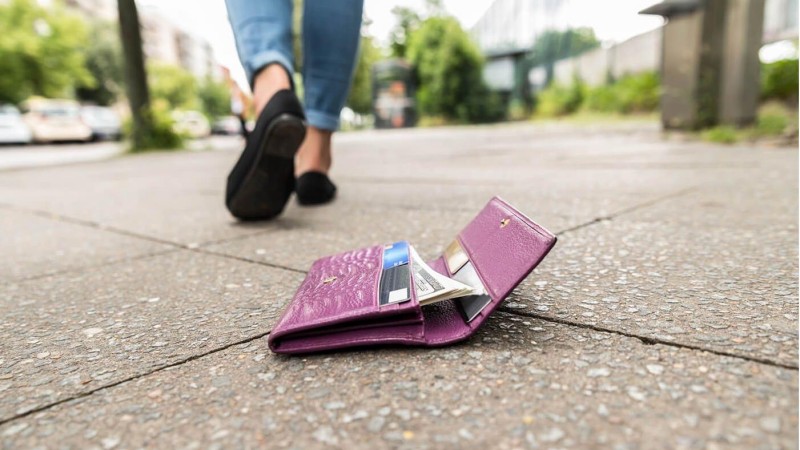
Finding your wallet
The next step after losing your wallet is to try to find it. Here are some suggestions for finding your wallet:
1. Go back to the last place you used your wallet: If you remember the last place you used your wallet, such as a restaurant, store, or hotel, go back and look at it right away. Many times, the wallet may have been left somewhere.
2. Ask the staff: At the last place you went, ask the staff if anyone has returned your wallet. They may be able to check the lost and found box for you.
3. Check around: At places you frequent, such as restaurants or shopping centers, double-check the seats or tables around you and you may find your wallet.
4. Use mobile apps: If your wallet has a smart device with tracking capabilities, such as “Tile” or “AirTag”, you can use the app to check the last location of your wallet.
What if I can't find my wallet?
If you can't find your wallet after a long search, don't despair. Next, you need to take some important steps to protect your financial security and identity information.
1. Contact your bank and credit card company: If your wallet contains a credit or debit card, contact your bank or credit card company at the first opportunity to report the card missing. They will immediately freeze your account to prevent any unauthorized transactions.
2. Apply for a temporary credit card: Many banks and credit card companies can provide you with a temporary card that you can continue to use while you are traveling. Ask about their policies to see if you can get help overseas.
3. Contact your local police station: If there are important documents or large amounts of cash in your wallet, it is advisable to report the incident to your local police station immediately. The record of the report may be needed for subsequent processing.
4. Backup documents: If you have an ID card or passport in your wallet, you can back up important documents via email or cloud storage. This will make it easier to access when needed.
What to do with lost important documents
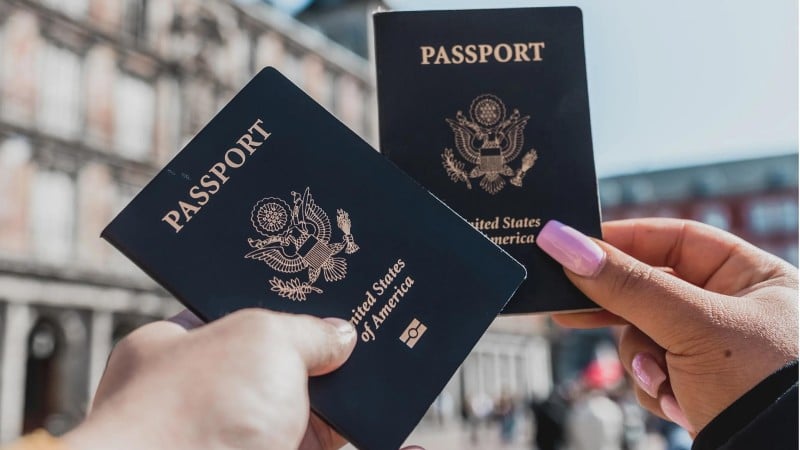
Wallets may contain some important documents such as passports, ID cards and driver's licenses. When you lose these documents, you need to take the following steps:
1. Contact the consulate or embassy: If you have lost your passport, contact the consulate or embassy of your country as soon as possible. They will guide you on how to apply for a temporary passport or travel document.
2. Prepare the necessary documents: Usually, applying for a new passport requires a number of documents such as a copy of your passport, proof of identity and a passport photo. Ensure that they are well prepared to avoid delaying the application process.
3. Provide proof of police report: If the case has been reported to the local police, providing proof of police report to the consulate can usually speed up the process.
Keeping finances safe
In the case of a missing wallet, it is vital to keep your finances safe. Here are some suggestions:
1. Carry spare cash with you: While traveling, have some spare cash on hand in case of emergencies. Try to keep your cash separate and avoid keeping it all in one place.
2. Use digital payment methods: Consider using mobile payments or digital wallets (such as Apple Pay or Alipay) to make purchases. This allows you to continue shopping even if you lose your physical wallet.
3. Set up account alerts: Set up transaction alerts for your bank and credit card accounts to stay up to date on account movements. If there are any suspicious transactions, immediate action can be taken.
4. Keep an eye on your credit card transaction records: Check your credit card transaction records daily to make sure there are no unauthorized expenditures. Once problems are detected, contact the bank promptly to deal with them.
Psychological Adjustment and Coping Strategies
The experience of losing your wallet is not only a financial nuisance, it may also cause you psychological stress. Here are some coping strategies:
1. Adjust your mindset: Try to view the experience of losing your wallet as an unfortunate accident and not the whole point of traveling. Stay in a positive frame of mind and enjoy the other good times you will have while traveling.
2. Communicate with friends or family: If you feel frustrated or anxious, talk to a friend or family member whose support may make you feel better.
3. Find solutions: Focus on solving the problem and develop coping strategies to minimize the negative impact on your trip.
4. Document the experience: Record the experience of losing your wallet and the process of coping in a travel journal. This will not only help you reflect, but also provide valuable lessons for future trips.
How to prevent losing your wallet again in the future
To avoid losing your wallet again on future trips, there are a number of precautions you can take:
1. Carry your wallet in a way that reduces the risk of losing it: use a small crossbody bag or fanny pack and avoid putting your wallet in your pocket.
2. Disperse your belongings: When traveling, try to keep cash and cards separate. For example, keep part of the cash in your wallet and part in your luggage.
3. Familiarize yourself with your destination: Before you travel, learn about the security situation at your destination and avoid carrying large amounts of cash in high-risk areas.
4. Sign up for a lost property protection service: Some credit card companies and banks offer a lost property protection service, which can provide support when you lose your wallet and help you get back on your feet quickly.
Losing your wallet can be frustrating, but staying calm and taking timely countermeasures can minimize the damage and hassle. When traveling, it is important to not only focus on the beautiful scenery, but also to keep an eye on the safety of your belongings. With these strategies and tips, you can have more peace of mind and enjoy your trip overseas.
Hopefully, these tips will help you cope with the dilemma of losing your wallet and make your trip go more smoothly. No matter what challenges you encounter, remember to keep smiling and enjoy every moment of your travel experience!




Advertisement
Advertisement