Advertisement
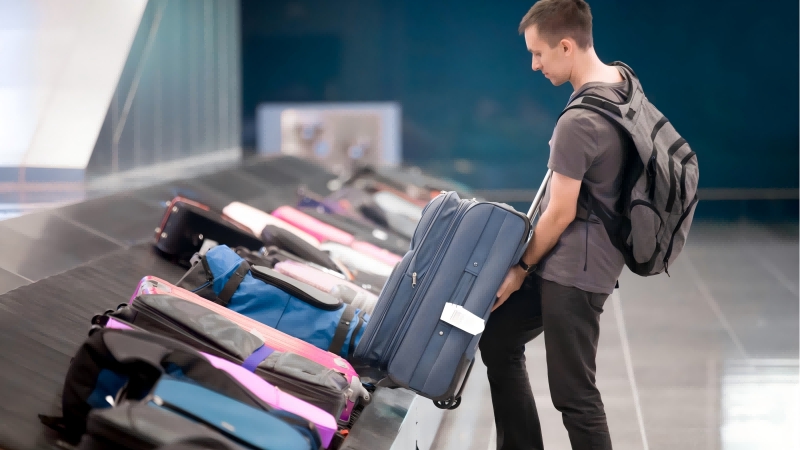
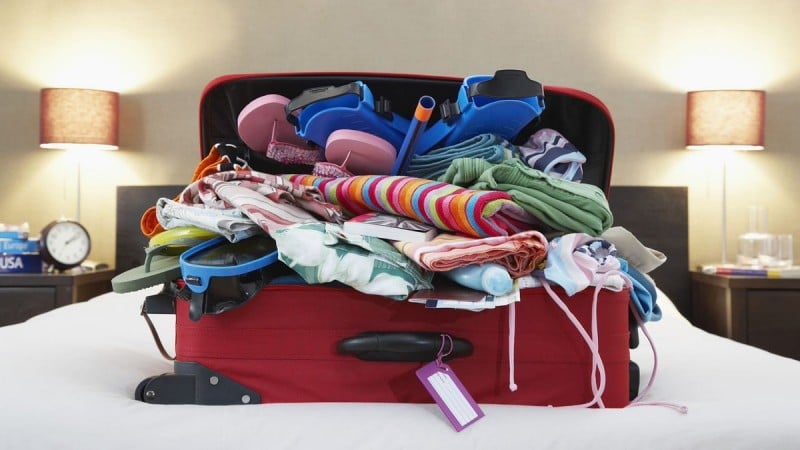
Packing your luggage is always a source of anticipation and annoyance when preparing for a trip. You excitedly stuff all the items you need into your suitcase, however, when you arrive at the airport and are confronted with the weigh-in, you often realize that your luggage is overweight! At this point, the airline usually asks you to pay an extra fee, which can be heartbreaking. So, how can we skillfully deal with the airline's charges when faced with overweight luggage? Let's talk about this topic today to help you travel smoothly without being bothered by overweight charges.
Know the airline's baggage policy
Before you leave, it is very important to know the baggage policy of the airline you are traveling with. Different airlines have different weight and size requirements for luggage. Here are some common airline baggage policy points:
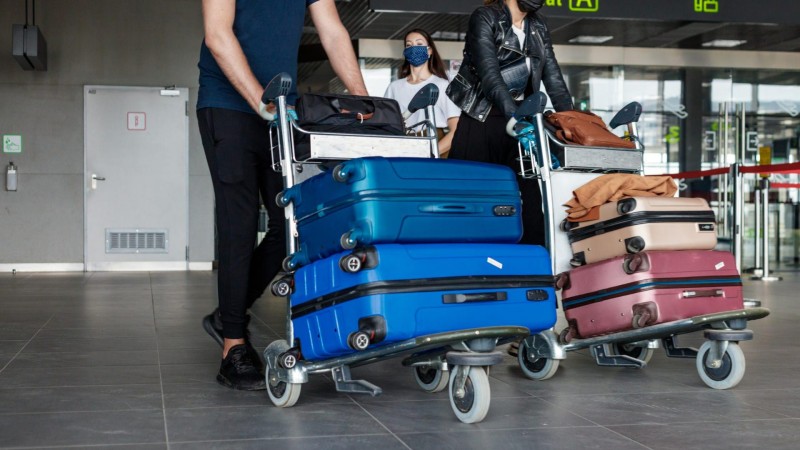
1. Baggage weight limit: Most airlines have a specific weight limit for checked and carry-on baggage, usually between 20-30 kilograms. You may have to pay tens of dollars per kilogram for overweight.
2. Luggage size: In addition to weight, there are strict limits on the size of your luggage, especially carry-on luggage. Make sure your suitcase complies with the regulations to avoid being asked to store it when you board the plane.
3. Free Baggage Allowance: Some airlines allow passengers to carry one checked bag and one carry-on bag free of charge. Knowing these policies can help you make reasonable arrangements.
Common causes of excess baggage
Understanding the causes of excess baggage helps us to reduce weight more effectively when packing. Here are some common reasons:
1. Bringing too much clothing: People often bring extra clothing with them when traveling, especially if the trip is long. Many people worry that they will be short of appropriate clothing, only to end up with overweight luggage.
2. Bringing a lot of cosmetics and skincare products: Bottles of cosmetics and skincare products are usually heavy and can also weigh down luggage if carried in large quantities.
3. Carrying unnecessary electronic devices: Nowadays, electronic devices such as tablets and cameras are also very heavy and sometimes we over-rely on them, resulting in overweight luggage.
4. food and drinks: although it is convenient to carry some snacks and drinks, they will also increase the weight of your luggage.
How to deal with overweight luggage skillfully
If your luggage is overweight when you weigh it, don't worry! Here are some practical coping strategies:
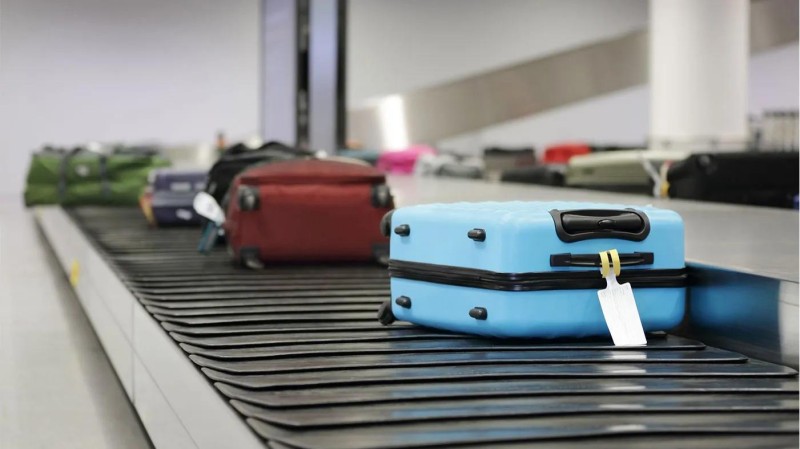
1. Weigh your luggage in advance: Use your home electronic scale to weigh your luggage before you head to the airport. If it's overweight, you can at least be prepared to make adjustments ahead of time.
2. Pack light: When packing, try to choose lightweight clothing and shoes. For example, choosing a lightweight jacket instead of a heavy coat can save a lot of weight.
3. Reduce the amount of cosmetics and skincare products: You can either choose travel-size skincare products or buy what you need at your destination. This saves space and reduces the weight of your luggage.
4. Streamline electronic devices: Think about which electronic devices are necessary and which you can do without. If there are multifunctional devices such as cell phones and tablets, you can choose to bring one of them.
5. Choose a folding suitcase: Some suitcases are designed to be lightweight and foldable so that they are easy to carry when not needed. Choosing such a suitcase can reduce the overall weight of your luggage.
6. Organize your clothing: You can try to create as many outfits as possible in a small amount of clothing by combining different items. For example, bring a multi-purpose scarf that can be used as a shawl and with different outfits.
Dealing with excess baggage at the airport
If you find overweight luggage at the airport, here are some strategies to deal with it:
1. Adjust your luggage: If you have time, try to make adjustments at the airport. Move some heavy items into your carry-on luggage or put on heavier clothing, such as jackets and boots.
2. Separate check-in: If you are traveling with others, consider checking some of your bags separately. This will reduce the weight of each person's luggage and avoid overweight.
3. Use a travel bag: If you are carrying extra baggage, such as souvenirs or purchases, consider using a travel bag by opting to purchase an inexpensive travel bag for checking.
4. Purchase excess baggage insurance: Some airlines offer insurance for excess baggage. Although you need to pay extra, such insurance may be more cost-effective if your excess baggage is more serious.
Other tips when traveling
In addition to strategies for dealing with excess baggage, here are some additional tips to make your trip go more smoothly:
1. Check in online ahead of time: when you check in online, you can usually see the rules and fees associated with your luggage ahead of time, which can help you prepare your luggage.
2. Use a small luggage scale: Carry a small luggage scale with you to check the weight of your luggage at all times and avoid overweight problems at the airport.
3. Choose Economy Class Extra Service: Some airlines provide extra baggage allowance service in Economy Class, you can consider paying for these services to minimize unnecessary troubles.
4. Consult the airlines: If you are not sure whether your baggage is overweight, you can make preparations by consulting the airlines about the relevant policies and fees before you leave for the airport.
How to minimize future overweight problems
To avoid experiencing overweight baggage problems again on future trips, consider the following:
1. Create a packing list: Before each trip, make a packing list and make sure you take only essential items. Check off each item individually to avoid leaving out important items.
2. practice traveling light: try practicing packing light on short trips with a small amount of luggage. This will not only improve your packing skills, but will also make future trips easier for you.
3. Invest in high-quality luggage: Choosing lightweight, durable luggage is a slightly higher initial investment, but will save you overweight costs and hassle in the long run.
4. Understand the needs of your destination: When traveling to certain places, learn about the climate and needs of your destination and carry the right amount of clothing as needed to avoid over packing.
Excess baggage is a common problem when traveling, but it can be easily dealt with as long as you are prepared, know the airline's baggage policy, and adopt smart coping strategies. While enjoying your trip, rationalize your luggage to avoid unnecessary costs and hassles.
I hope these tips will help you travel smoothly and make every trip fun and relaxing! Remember, being smart and prepared when packing will often make your traveling experience even better!



Advertisement
Advertisement