
Advertisement
In the long history of mankind, the pursuit of longevity has always been the dream of countless people. From the ancient alchemy to modern medical research, people have never stopped exploring the secrets of longevity. In this process, diet, as one of the important factors affecting life span, has always attracted much attention. So, what is the secret of longevity diet? Let us walk into this mysterious and fascinating field together and explore the longevity codes hidden in food.
Balanced diet: the cornerstone of longevity
The dietary philosophy of longevity people is not complicated, but it contains the secret of health. A balanced diet is the key to their health. A balanced diet means consuming the right amount of carbohydrates, protein and fat to provide the energy and nutrients needed by the body. Carbohydrates are the main source of energy. Choosing complex carbohydrates such as whole grains, vegetables and beans can provide lasting energy and are rich in dietary fiber and other important nutrients.
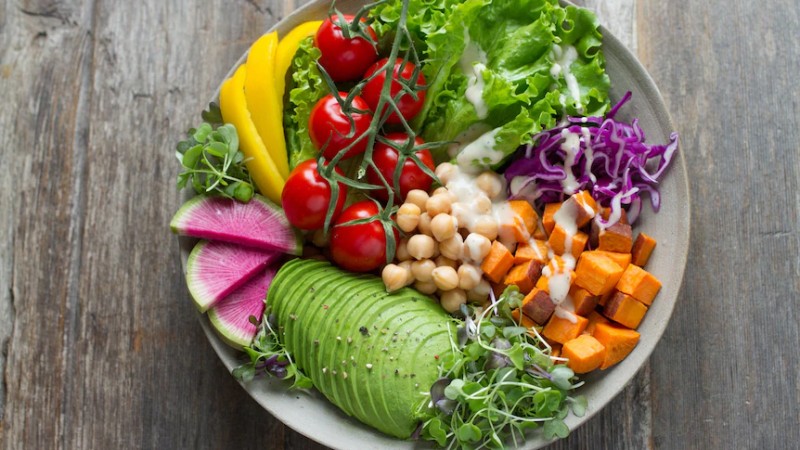
Protein is essential for maintaining health and longevity. Longevity people usually choose high-quality protein sources such as fish, poultry, beans, nuts and dairy products. These foods not only provide high-quality protein, but are also rich in essential amino acids, which are particularly important for muscle repair and cell regeneration. Fat is also an integral part of the diet, but centenarians tend to choose healthy sources of fat, such as olive oil, fish oil, nuts and seeds. These fats are rich in monounsaturated and polyunsaturated fatty acids, which help reduce the risk of cardiovascular disease and provide essential fat-soluble vitamins.
Food diversity: comprehensive nutritional protection
Centenarians pay attention to food diversity and obtain rich vitamins, minerals and other nutrients by choosing different types of food. A diverse diet not only enhances immunity and improves digestion, but also promotes the healthy functioning of various systems in the body. A variety of fruits and vegetables are an important part of the longevity diet. They are rich in vitamins, minerals and antioxidants, which help fight free radical damage and slow down the aging process.
For example, dark vegetables and fruits are rich in antioxidants, which can protect cells from oxidative stress. Centenarians are generally encouraged to consume a variety of colors and types of fruits and vegetables to ensure comprehensive nutrition. Nuts and seeds are also a key component of the longevity diet. They are rich in healthy fats, proteins, fiber and antioxidants. Moderate consumption of nuts and seeds, such as walnuts, almonds, flax seeds, etc., can help reduce the risk of cardiovascular disease and provide additional nutritional support.
Vegetarianism: A New Choice for Healthy Longevity
In recent years, vegetarianism has played an increasingly important role in longevity diets. Scientific studies have shown that vegetarianism can reduce the risk of chronic diseases, improve cardiovascular health, and reduce obesity. Long-lived people usually ensure that they get enough key nutrients such as protein, iron, and calcium by properly matching vegetarian diets. Vegetarianism not only helps maintain a healthy weight, but also provides rich dietary fiber and antioxidants, promoting intestinal health and overall health.
However, vegetarianism does not mean completely rejecting meat. Long-lived people pay more attention to type selection and quantity control when choosing meat. White meat such as chicken and fish are generally considered healthier because they contain less saturated fat and cholesterol. Red meat such as beef and pork are associated with an increased risk of heart disease and cancer when consumed in large quantities. Therefore, long-lived people usually consume white meat in moderation and reduce the intake of red meat and processed meat.
Time control and calorie management: the secret to longevity
Long-lived people also tend to control eating time, such as limiting the time window for eating or implementing a fasting plan. These methods are believed to help improve metabolic health, reduce inflammatory responses, and slow the aging process. Moderate control of calorie intake is also key to maintaining a healthy weight and preventing obesity. Long-lived people usually avoid excessive calorie intake, choose foods with low natural sugar content, such as fruits, and reduce sugar intake in processed foods and beverages.
In addition, maintaining good drinking habits is also essential for health. Long-lived people usually drink enough water and avoid drinking too many sugary drinks and caffeinated drinks. Water is necessary for the normal functioning of the body, which helps maintain water balance, promotes metabolism and eliminates waste.
Individualized diet: a longevity path that varies from person to person
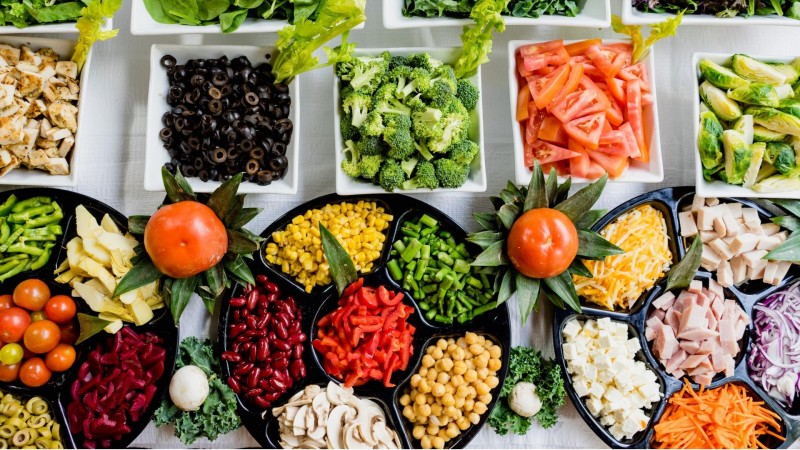
It is worth noting that although longevity diets have many common characteristics, everyone's physique and needs are different. Therefore, individualized diet is also an important part of the longevity path. Some people may be naturally more sensitive to certain foods, or require special dietary arrangements due to illness. In this case, long-lived people usually develop a diet plan based on individual needs under the guidance of a doctor, supplementing specific nutrients such as vitamin D, calcium and B vitamins.
Misconceptions and warnings of longevity diets
Of course, in the process of exploring longevity diets, we should also be wary of some misunderstandings. Some people may blindly imitate the eating habits of long-lived people, but ignore their own physique and needs. For example, Lily loved meat all her life and was strong, but her eating habits are not suitable for everyone. After imitating Lily's diet, Bob developed health problems such as memory loss. This reminds us that longevity diet is not static, but needs to be adjusted and optimized according to individual circumstances.
In addition, longevity diet does not mean completely excluding certain foods or nutrients. The key to longevity is to consume a variety of foods in moderation and maintain balanced and diverse nutrition. Excessive restriction of certain foods or nutrients may lead to malnutrition, which is not good for health.
Enjoy food and embrace longevity
In summary, the secret of longevity diet does not lie in some magical food or nutrient, but in the principle of balanced, diverse and moderate diet. By choosing healthy food, reasonably matching nutrients, controlling calorie intake and eating time, we can enjoy food while embracing a healthy and long life. Let us start from now on, pay attention to our eating habits and lay a solid foundation for our longevity!





Advertisement
Advertisement