Advertisement
The importance of personal credit in today's society cannot be ignored; it has become a key factor in our lives, affecting our loan rates, credit card limits, and even employment and rental opportunities. Credit score, an important indicator of one's creditworthiness, has become a goal that many people pursue. In a society where credit is paramount, how to improve our personal credit score has become a skill we all need to master.
Importance of Personal Credit
Loans and Financing
Credit score directly affects the approval or disapproval of personal loan applications. The higher the credit score, the lower the interest rate and the more favorable the credit terms of the loan or financing application. In contrast, for those with low credit scores, loan applications are often scrutinized closely or only high interest rate loan programs are available. Additionally, when it comes to purchasing a home or automobile, a good credit score can save an individual a great deal of money on interest costs, helping to achieve financial goals more quickly.

Renting and Amenities
Many landlords conduct credit checks on tenants before renting an apartment to assess their ability to pay rent on time. Tenants with low credit scores may be turned away from renting an apartment or asked to provide a higher security deposit. In addition, credit scores are also reviewed for some basic living services, such as utility account opening, telephone services and internet subscriptions. Therefore, a good credit history enables individuals to have more flexibility and convenience in their daily lives.
Career Development
In certain career fields, especially in the financial industry, government positions or positions with stringent requirements on money management, companies will check the credit history of their employees to determine their financial responsibility and integrity. A poor credit score may be a disadvantage when seeking employment. Therefore, maintaining a good credit history is not only a financial management requirement, but also an important factor in enhancing competitiveness in the job market.
Insurance rates
Some insurance companies set premiums based on an individual's credit score. Individuals with higher credit scores are usually considered to be lower risk and therefore qualify for lower premiums. People with lower credit scores, on the other hand, are required to pay higher premiums to compensate the insurance company for their potential risk. This means that a high or low credit score not only affects the interest rate on a loan, but also affects other costs of living.
How to improve your credit score
Improving your credit score doesn't happen overnight; it takes long-term financial discipline and sound planning. Here are some practical ways to improve your credit score:
Pay your debts on time
Paying your debts on time is one of the most important factors in your credit score. Whether it's a credit card bill, loan installment or any other type of bill, make sure you pay it by the due date. Late payments not only incur late fees, but can also have a serious impact on your credit score. If you're worried about remembering the payment date, you can set up automatic payments or remind yourself in your calendar.
Control your credit card balance
The amount you use on your credit card can also have an impact on your credit score, especially your credit utilization rate. Credit utilization ratio is the ratio of your outstanding balance on a credit card to the total credit card limit. It is recommended to keep your credit utilization ratio below 30%. For example, if your credit card limit is $10,000, it is recommended that the outstanding balance not exceed $3,000. A lower credit utilization ratio reflects that you are managing your credit card wisely and helps improve your credit score.
Increase credit history
The length of your credit history can also affect your credit score. Maintaining a long-standing credit account (such as a credit card or loan account) can build up a good credit history for you. Therefore, if there is no particular reason, try to avoid closing accounts that have a long credit history as they can have a positive impact on the overall score.
Avoid applying for new credit too often
Frequent applications for credit cards or loans can lead financial institutions to believe that you are under financial stress or have risky financial habits. Therefore, try to minimize the frequency of applying for new credit accounts. Every time you apply for a credit card or loan, a “hard inquiry” is triggered, which can affect your credit score to some extent. Before applying for new credit, it's best to fully assess your financial needs and rationalize the frequency of credit applications.
Check your credit report regularly
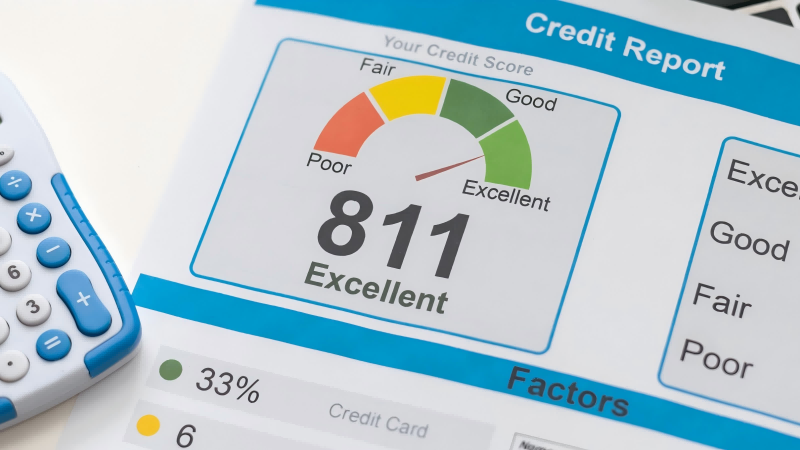
It is recommended to check your credit report at least once a year to ensure that the information in the report is accurate. Incorrect information in the credit report, such as outstanding payment records, account errors, etc., can have a negative impact on the credit score. If you find any errors, you can contact the credit reporting agency to have them corrected. In addition, checking your credit report on a regular basis can help detect potential frauds in a timely manner and protect your personal finances.
Use installments and installment repayment wisely
Repayment in installments is a convenient way to pay off your credit card, but long-term reliance on installment repayment may affect your credit score, especially if you fail to make payments on time. Therefore, when choosing installments, it is advisable to determine whether to use installments based on your actual income and spending plan, so as to avoid long-term debt affecting your credit score.
Avoid over-borrowing
Over-borrowing will make financial institutions think that you do not have sufficient financial management ability or income support. When you accumulate a large amount of borrowing in a short period of time, especially consumer loans with high interest rates, it is easy to fall into a “debt trap” and fail to make repayments on time. Moderate borrowing behavior can have a positive impact on your credit score, but excessive borrowing can cause your credit score to drop.
How to maintain good credit habits
Establish a Budget and Savings Habits
Creating a clear budget helps you understand your income and expenses, so you can control your spending and reduce your reliance on credit cards. At the same time, developing a savings habit can save you from having to rely on credit cards or loans in case of emergency, thus avoiding debt accumulation.
Rationalize long-term and short-term financial goals
Setting reasonable financial goals helps maintain good credit habits. For example, set short-term goals such as paying off small debts and long-term goals such as saving for a home purchase or retirement planning. This allows you to better manage your income and expenses and prevents your credit score from being affected by short-term financial stress.
Manage and optimize your credit accounts
Regularly monitor the status of each credit account and make timely payments. For credit accounts that are no longer in use, you can choose to lower the limit instead of just canceling them to maintain a reasonable credit account portfolio.






Advertisement
Advertisement