Advertisement
What a devastating situation it is when you are ready to board a plane to your destination and suddenly realize that your passport is damaged! Passport is a key document for international travel and if it is damaged, it can cause a lot of trouble. So how can we board the plane smoothly in this situation? Today, let's talk about how to cope with the damaged passport, and I hope it can help you deal with the unexpected situation.
The type and impact of passport damage
First of all, we need to understand several common situations of passport damage in order to better determine how to deal with it. Passport damage usually includes the following categories:
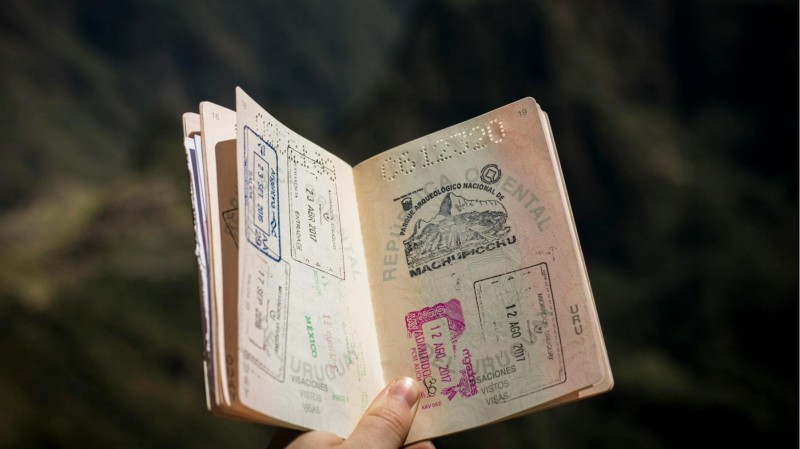
1. passport cover or page breakage: this type of damage may be due to improper use or accidental occurrence.
2. torn or soiled passport pages: sometimes passports get soaked with water or other liquids, causing the pages to fade and the writing to blur.
3. damaged or blurred passport photos: photos are an important basis for identification, and a blurred or damaged photo can make it difficult for border control officers to confirm your identity.
4. Damaged chip: Some passports have an electronic chip that stores personal information. If the chip fails or is damaged, it may affect customs clearance.
Different types of damage can affect how easy it is to clear customs. Minor cover wear and tear may not cause too much of a problem, but if the damage is severe, it may affect your ability to board the plane properly.
How to deal with minor damage to your passport
If your passport is only slightly damaged, such as a worn cover or some creases on the pages, it's usually not a big problem. But to be on the safe side, you can:
1. contact the airline in advance: inform the airline of the condition of your passport and they will give advice or even prioritize the check when boarding the plane to make sure there is no problem with your passport.
2. take other documents with you when you go to the airport: take your ID card, driver's license, etc. that can prove your identity. It is not a substitute for your passport, but sometimes it can help you explain your identity to the airport staff.
3. Arrive at the airport early: If your passport is slightly damaged, it is recommended that you arrive at the airport early so that you have enough time to communicate with the border control staff and avoid missing your flight due to inspection delays.
How to deal with serious damage to passport
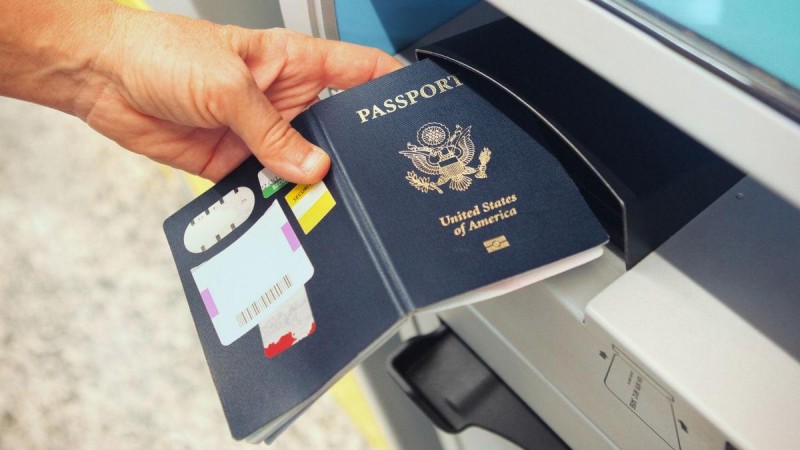
If the passport is seriously damaged, you may need to take some more complicated steps to board the plane smoothly. Below are a few ways to cope with the situation:
1. Contact the consulate of your country: Most countries have consulates near their airports, so you can immediately contact the consulate of your country and explain the damage to your passport. The consulate will usually provide assistance, such as a temporary travel document.
2. Apply for an emergency passport or travel document: If you have enough time, you can apply for an emergency passport or travel document (usually temporary) directly at the consulate. This type of document will help you complete your trip and apply for a new passport when you return home.
3. Prepare supporting documents: When applying for an emergency document at the consulate, it is a good idea to bring along your ID card, airline ticket and other documents that will help the consulate to speed up the verification of your identity.
4. Seek assistance from the airline: In some cases, the airline may be able to help contact the local consulate or provide you with special assistance after confirming your identity to ensure that you can board the plane.
Other Tips to Ensure Smooth Boarding
In addition to these emergency responses, here are some other tips to help you improve your chances of boarding success.
1. Stay calm: In the case of a damaged passport, try to stay calm and don't panic. Border control officers and airlines will help you solve the problem according to the actual situation.
2. Bring an electronic copy of your passport: Before departure, it is best to take photos of the main pages of your passport and keep them, or bring a copy with you to prove your identity in case your passport is damaged.
3. Purchase travel insurance: If you are a frequent traveler, it is recommended that you purchase travel insurance that includes passport loss or damage coverage, so that you can get more comprehensive help and support when you encounter similar situations.
How to prevent passport damage
In addition to measures to deal with passport damage, prevention is also very important. Here are some simple suggestions to prevent passport damage:
1. Purchase a passport protector: Using a passport protector reduces wear and tear and prevents the passport from getting wet or folded during the trip. There are many styles and materials of passport covers on the market to choose from that protect your passport and are easy to carry.
2. Avoid placing it in a wet environment: The passport should be placed in a dry environment as much as possible to avoid contact with water or other liquids. If the passport is accidentally wet, gently wipe it with a dry paper towel as soon as possible and leave it to dry.
3. Avoid frequent folding: Although a passport is small and convenient, it is best not to fold it randomly or stuff it into your wallet to avoid the pages being wrinkled or torn. It is recommended to carry a small bag with you while traveling and keep your passport separate.
4. Check your passport at any time: Before traveling, double-check that your passport is in good condition and make sure it is not damaged. If problems are found, they can be dealt with as early as possible to avoid accidents while traveling.
Passport damage after the subsequent processing
Even if you board the plane successfully, you still need to deal with the damaged passport after returning home to ensure that your future travel will not be affected. The following are suggestions on how to deal with it after returning to your home country:
1. Go to the passport issuing authority: Go to the local passport issuing authority as soon as possible after your return to your home country, explain the damage to your passport and apply for a new passport. Usually, the old passport will be recalled to prevent misuse.
2. Pay the relevant fees: There may be some costs associated with the replacement of a damaged passport, usually the cost of reissuing a passport. The fee varies from place to place, so it is recommended to know the relevant regulations in advance.
3. Keep the new passport: After getting the new passport, try to avoid repeated damages, pay attention to the usage habits and keep it properly.
Passport is your passport to the world, especially if you like to travel, the importance of passport is self-evident. Although a damaged passport may bring some trouble, as long as you master these coping methods above, you are perfectly capable of boarding the plane smoothly in case of emergency. Most importantly, check the status of your passport before departure to avoid accidents.




Advertisement
Advertisement