Advertisement
Pregnancy, a journey full of joy and challenges, makes every expectant mother the most cautious eater in the world. In this special period, every bite of food carries expectations and responsibilities for the future. So, what foods should be avoided during pregnancy? Let's embark on this wonderful journey to find the "blacklist" of pregnancy diet!
1. Fresh seafood: the "undercurrent" behind the deliciousness
When it comes to dietary taboos during pregnancy, seafood is often the first to be mentioned. Although seafood is rich in high-quality protein and Omega-3 fatty acids, which are of great benefit to the baby's brain development, not all seafood is suitable for expectant mothers.

Sashimi, sushi: These raw and cold seafood may carry parasites, such as Anisakis, which pose a threat to the health of expectant mothers and babies. Imagine that when you are enjoying fresh sashimi, those "little guests" that are invisible to the naked eye may be quietly invading your body. Do you suddenly feel that the food in your hand is no longer so tempting?
Large fish: such as tuna, swordfish, shark, etc., they may accumulate high concentrations of mercury in their bodies. Mercury is a heavy metal that can cross the placental barrier and affect the development of the baby's nervous system. So, although these fish are delicious, stay away from them during pregnancy!
Oysters and snails: These shellfish and seafood may also contain parasites and bacteria, and their living environment is often more complex and easily contaminated. The risks of eating them during pregnancy are self-evident.
2. "Lurkers" in fruits and vegetables
Vegetables and fruits are an important part of the diet during pregnancy. They are rich in vitamins, minerals and dietary fiber, which are essential for the health of expectant mothers and babies. However, not all fruits and vegetables are suitable for consumption during pregnancy.
Unripe tomatoes: Green tomatoes contain solanine, which is a toxic substance that may cause nausea, vomiting, abdominal pain and other symptoms after consumption. Therefore, when choosing tomatoes, be sure to choose fully ripe ones!
Cassava: Cassava roots contain cyanide. Although the toxicity of cassava flour is greatly reduced after processing, pregnant women are still advised to eat them with caution to avoid accidents.
Bitter melon: Bitter melon is cold in nature and contains a certain amount of quinine, which may stimulate uterine contractions and increase the risk of miscarriage. Although bitter melon is highly praised for its blood sugar-lowering effect, you should still be patient during pregnancy!
Purslane: This wild vegetable has a miscarriage effect. Eating it during pregnancy may cause uterine contractions and increase the risk of miscarriage. For the health of your baby, it is better to exclude it from the pregnancy diet!
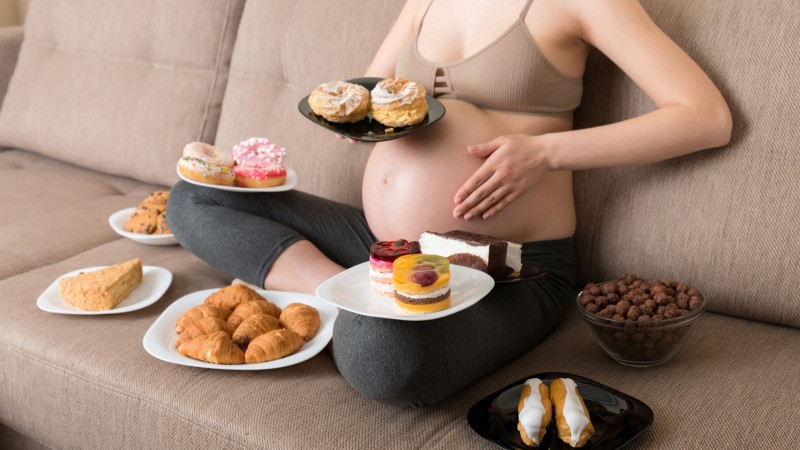
3. Snacks and desserts: the "trap" behind sweetness
It is common to be greedy during pregnancy, but facing a wide range of snacks and desserts, expectant mothers should keep their eyes open!
Popcorn: Popcorn, which seems harmless, may actually contain lead. Lead is a heavy metal that can affect the development of the baby's nervous system. Therefore, the bucket of fragrant popcorn in the cinema should be reserved for non-pregnant women!
Candy, chocolate: High-sugar foods not only cause weight soaring, but also increase the risk of gestational diabetes. Although sweets can bring short-term happiness, long-term and large-scale consumption is not good for the health of expectant mothers and babies.
Spicy strips and potato chips: These snacks with high oil, high salt and high additives are not only low in nutritional value, but may also aggravate symptoms of edema and hypertension during pregnancy. For the health of your baby, you should hold back your appetite!
4. "Invisible Killers" in Beverages
The choice of beverages is equally important. During pregnancy, you should avoid drinking beverages containing caffeine, alcohol, and high sugar content.
Coffee, tea: Caffeine can stimulate the central nervous system, affect sleep quality, and may also affect the development of the baby's nervous system through the placenta. Although drinking in moderation (no more than 200 mg per day) may not have much effect, it is best to replace it with boiled water or light tea.
Alcohol: Alcohol is an absolute taboo during pregnancy. It can enter the baby's body through the placental barrier, affecting the baby's normal development and even causing deformities. Therefore, whether it is red wine, beer or cocktails, you should resolutely refuse it during pregnancy!
Carbonated beverages: High-sugar carbonated beverages not only cause weight gain, but may also affect calcium absorption, which is not good for the bone health of expectant mothers and babies.
5. Other precautions
In addition to the foods mentioned above, during pregnancy, you should also avoid eating too greasy, spicy, raw and cold foods, as well as uncooked meat and eggs. These foods may increase the risk of infection with bacteria and viruses and affect the health of the baby.
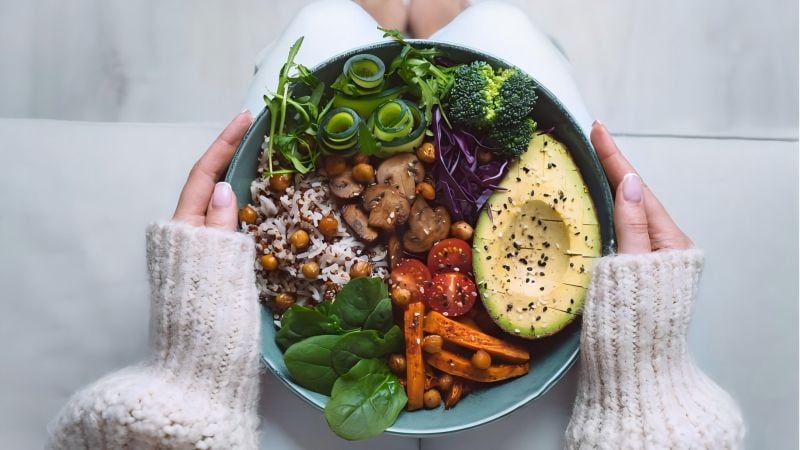
In addition, the diet during pregnancy should focus on balance, variety, and moderation. Eat more fresh fruits and vegetables, whole grains, lean meat and soy products to supplement enough vitamins and minerals. At the same time, maintain good work and rest habits, exercise moderately, keep a happy mood, and create a good environment for the healthy growth of the baby.
Diet during pregnancy is not only a delicious feast, but also a test of wisdom. Expectant mothers only need to keep in mind the principle of "balance, variety, and moderation" and stay away from foods that may threaten the fetus, and they can reap full happiness and joy in this journey. May every expectant mother have a healthy and happy pregnancy!



Advertisement
Advertisement