
Advertisement
Allergies, or allergic reactions, are abnormally strong reactions of the human immune system to substances that are usually harmless. The immune response involved in allergies is not only complex, but also often affects people's quality of life. In modern society, there are many types and triggers of allergies, ranging from food and drugs to pollen and pet hair. By gaining a deeper understanding of how the immune system works and the mechanisms of allergic reactions, we can better identify and respond to allergies and improve our health and quality of life.
Basic functions of the immune system
The immune system is an important part of the human body's protective mechanism, designed to resist the invasion of external pathogens such as bacteria, viruses, and fungi. The core of the immune system includes white blood cells (such as lymphocytes and macrophages), antibodies, complement systems, and other defense mechanisms. They identify and destroy invading microorganisms through complex interactions to keep the body healthy. In general, the immune system distinguishes between "self" and "non-self", that is, it identifies which are normal cells of the human body and which are foreign "enemies", and takes appropriate defensive actions.

Formation of allergic reactions and immune mechanisms
When the immune system mistakenly regards harmless substances as harmful, it will trigger an allergic reaction. At this time, the immune system will release a large amount of chemicals (such as histamine), causing a series of physical symptoms. Allergic reactions mainly have the following stages:
Sensitization stage: When the allergen is first exposed, the immune system will produce specific antibodies, called IgE antibodies. These antibodies will bind to mast cells, which store a large amount of active substances such as histamine.
Activation stage: When the same allergen is exposed again, IgE antibodies will recognize and bind to the allergen, causing mast cells to release mediators such as histamine.
Reaction stage: The released histamine can cause local or systemic symptoms, such as itchy skin, redness and swelling, tearing eyes, nasal congestion, etc.
Symptom relief: After a period of time, the immune response may gradually ease and the symptoms disappear, but the individual's sensitivity to the allergen may persist for a long time.
Common types of allergies
Allergic reactions can occur in different parts of the human body, and the manifestations vary from person to person. The following are several common types of allergies:
Food allergies: The most common food allergens include nuts, shellfish, milk, eggs, soy and wheat. Food allergies usually occur within minutes to hours after food intake and may cause hives, shortness of breath, or even anaphylactic shock.
Drug allergies: Some drugs, such as penicillin antibiotics and painkillers, may trigger allergic reactions. The reaction to drug allergies may be a rash in mild cases, or asthma or anaphylactic shock in severe cases.
Pollen allergy: Common in spring and autumn, caused by pollen released into the air. Symptoms usually manifest as sneezing, nasal congestion, itchy and tearful eyes, etc., which are typical respiratory allergic reactions.
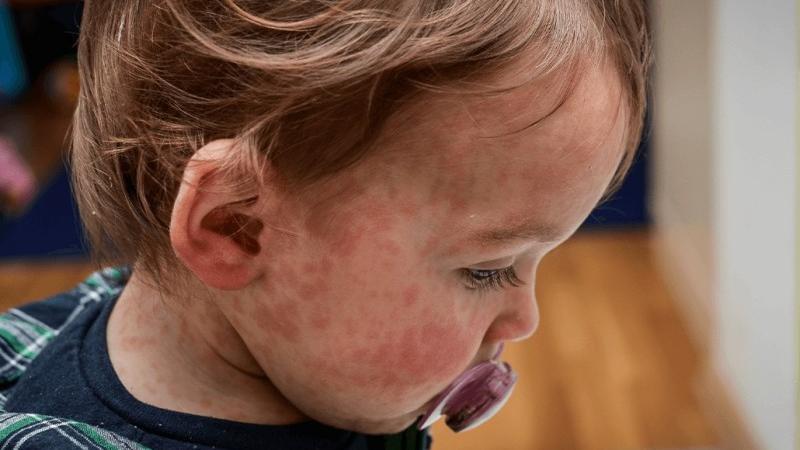
Skin allergies: Skin contact with certain allergens, such as detergents, cosmetics, or metals (such as nickel), may cause contact dermatitis symptoms such as redness, itching, and peeling of the skin.
Insect bite allergies: Insect bites such as bees and wasps may trigger allergic reactions and even dangerous anaphylactic shock.
Methods for identifying allergic symptoms
Timely identification of the symptoms of allergic reactions is the key to managing allergies. Here are some common allergy symptoms:
Respiratory symptoms: such as sneezing, nasal congestion, itchy throat, coughing, etc., which are common in pollen allergies, dust mite allergies, etc.
Digestive tract symptoms: such as nausea, vomiting, diarrhea, etc., are usually caused by food allergies.
Skin symptoms: such as urticaria, redness, swelling, itching, etc., which are common in food, drug or insect bite allergies.
Systemic symptoms: such as anaphylactic shock symptoms such as shortness of breath, accelerated heartbeat, and decreased blood pressure. Once they occur, you need to seek medical attention immediately.
Strategies for dealing with allergies
After clarifying the type and symptoms of allergies, taking appropriate countermeasures can effectively reduce the discomfort caused by allergies:
Avoid contact with allergens: This is the most direct method. For those who are allergic to food, you should carefully check the food labels; for those who are allergic to pollen, you can avoid going out during the peak pollen season or wear a mask.
Medication: Antihistamines are commonly used allergy drugs that can relieve symptoms such as itching, sneezing, and tearing. Nasal sprays, eye drops, etc. can also be used to relieve symptoms in specific parts. For severe anaphylactic shock, doctors will recommend carrying an epinephrine syringe with you.
Immunotherapy: Reduce the sensitivity of the immune system by gradually increasing exposure to allergens. This method needs to be carried out under the guidance of a professional doctor and is usually suitable for unavoidable allergies such as pollen allergies.
Improvement of living environment: Keep the living environment clean, especially to avoid dust mite accumulation. Regularly washing bedding and using anti-mite quilt covers can effectively reduce the occurrence of allergic reactions.
Maintain a healthy diet and immunity: A balanced diet can support the normal function of the immune system and avoid aggravating allergic reactions due to abnormal immune system.
The importance of preventing and managing allergic reactions
Allergy management is not just about controlling symptoms, but more importantly, avoiding allergies as much as possible. Maintaining healthy living habits in daily life can help enhance the function of the immune system, thereby reducing the risk of allergic reactions. Regular physical examinations are also key, allowing doctors to promptly understand individual allergy risks and provide advice. In addition, recognizing the triggers of allergies and choosing appropriate protection and treatment methods according to one's own situation is the core of effective response to allergies.
The impact of scientific research on future allergy management
With the development of science and technology, more and more research is devoted to revealing the nature of allergic reactions. For example, genetic research has begun to reveal the genetic basis of some allergic diseases, which provides the possibility of targeted and personalized treatment. Scientists are also developing a new generation of immunotherapy methods, such as gene therapy and targeted therapy, in order to completely cure allergic diseases in the future.
Allergies are closely related to the immune system. Although their symptoms vary, the root cause lies in the overreaction of the immune system. By understanding how the immune system works and the triggering mechanism of allergic reactions, we can take more scientific prevention and response measures. Identifying allergic symptoms, avoiding contact with allergens, drug treatment, and enhancing immunity are important ways to manage allergies. In addition, future progress in scientific research will bring more choices and hope to allergy patients, making the management of allergies more precise and effective.






Advertisement
Advertisement