
Advertisement
Hypertension, the "invisible killer" of modern society, is quietly threatening the health of countless people. It not only leads to serious diseases such as heart disease and stroke, but also affects people's daily quality of life. However, when looking for effective ways to lower blood pressure, we often overlook those simple and affordable options - cruciferous vegetables. Today, let's explore broccoli, cauliflower, cabbage and kale, four magical cruciferous vegetables, and see how they can become our right-hand man on the road to lowering blood pressure.
The magical power of cruciferous vegetables
Cruciferous vegetables are unique in the vegetable world for their unique nutritional value and health benefits. This type of vegetable is not only rich in vitamins, minerals and dietary fiber, but also contains a special compound - glucosinolate. This compound is particularly rich in cruciferous vegetables, has significant antioxidant and anti-inflammatory effects, and is also a "secret weapon" for lowering blood pressure.
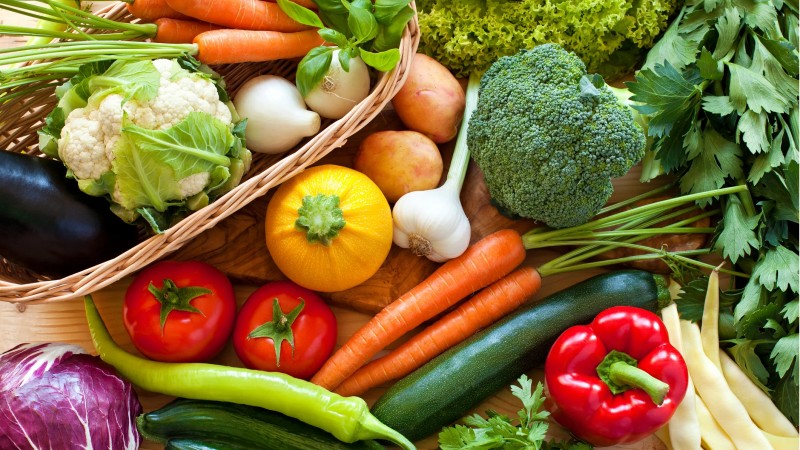
Broccoli: Green Pioneer in Lowering Blood Pressure
Broccoli, a frequent guest on the table, is not only crisp and tender, delicious, but also a "green pioneer" in lowering blood pressure. In a study conducted by Edith Cowan University, scientists found that eating four servings of broccoli a day can significantly lower blood pressure. This is due to the rich glucosides and nitrates in broccoli, which can promote vasodilation, reduce arterial pressure, and thus lower blood pressure.
Not only that, broccoli is also rich in dietary fiber and vitamin C, which help improve intestinal health, enhance immunity, and further reduce the risk of cardiovascular disease. Therefore, incorporating broccoli into your daily diet can not only bring enjoyment to our taste buds, but also protect our health.
Cauliflower: A white treasure trove of nutrition
Cauliflower, a seemingly ordinary but nutritious vegetable, also plays an important role in lowering blood pressure. Similar to broccoli, broccoli is also rich in glucosinolates, a compound that can lower blood pressure by promoting vasodilation. In addition, the vitamin K and folic acid in broccoli also help maintain cardiovascular health and reduce the risk of heart disease.
When cooking broccoli, we can try different methods, such as steaming, stir-frying, and roasting, to retain its rich nutrients. Whether paired with garlic or cheese, cauliflower can add a touch of color to our table and bring endless possibilities to our health.
Cabbage: The purple blood pressure star
Cabbage, this brightly colored vegetable, is not only rich in antioxidants, but also rich in dietary fiber and vitamin C. In a two-week study, scientists found that eating four servings of cabbage a day can significantly reduce the systolic blood pressure of subjects. This is thanks to the glucoraphanin and other glucosinolate compounds in cabbage, which can promote vasodilation, reduce arterial pressure, and thus lower blood pressure.
Cabbage is not only suitable for eating raw, but also can be used for stir-frying, stewing or making delicious foods such as kimchi. Its unique taste and rich nutritional value make it an indispensable part of our table. Whether it is cabbage omelette for breakfast or cabbage stew for dinner, it can benefit our health.
Kale: Green Superfood
Kale, a vegetable known as a "superfood", also performs well in lowering blood pressure. It is rich in vitamin K, vitamin C, dietary fiber and antioxidants, which help maintain cardiovascular health and reduce blood pressure and heart disease risk.
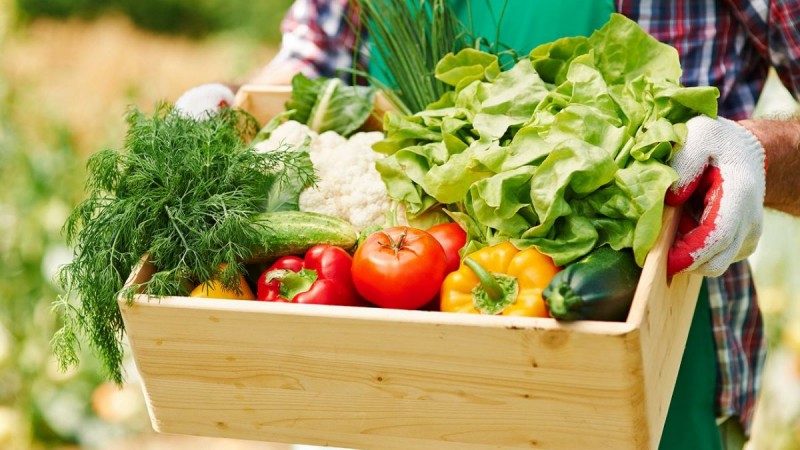
Kale tastes slightly bitter, but it is this unique taste that makes it a favorite of healthy diet. We can add kale to salads or use it to make juices and soups. No matter which cooking method, we can fully enjoy the health benefits of kale.
Blood pressure lowering mechanism of cruciferous vegetables
So, how do cruciferous vegetables lower blood pressure? Scientists have found that the glucosinolate compounds in these vegetables can be converted into isothiocyanates in the human body, which have significant antioxidant and anti-inflammatory effects. It can protect vascular endothelial cells from damage by oxidative stress and inflammatory response, thereby maintaining the normal structure and function of blood vessels. In addition, isothiocyanates can promote vasodilation, reduce arterial pressure, and thus lower blood pressure.
In addition to glucosinolate compounds, nitrates and vitamin K in cruciferous vegetables also play an important role in lowering blood pressure. Nitrates can be converted into nitrites and nitric oxide in the body, which can promote vasodilation and lower blood pressure. Vitamin K helps maintain the elasticity and stability of blood vessel walls, further reducing the risk of cardiovascular disease.
Let cruciferous vegetables be our blood pressure lowering assistant
When looking for ways to lower blood pressure, we don't have to always rely on drugs and expensive health products. Sometimes, simple and affordable choices can bring unexpected results. Broccoli, cauliflower, cabbage and kale, four cruciferous vegetables, have become our right-hand assistants on the road to lowering blood pressure with their unique nutritional value and health benefits.
Incorporating cruciferous vegetables into your daily diet can not only lower blood pressure, but also improve intestinal health, enhance immunity, reduce the risk of heart disease and other multiple benefits. Let's start today and make these four magical cruciferous vegetables a regular on our table and add points to our health!
While enjoying delicious food, let's pay more attention to our health. Let cruciferous vegetables become our right-hand assistant on the road to lowering blood pressure, and welcome a healthier and better future together!






Advertisement
Advertisement