
Advertisement
In today's era of pursuing a healthy lifestyle, people's demand for good food is no longer limited to satisfying their taste buds, but they also want to enjoy delicious flavors while nourishing their bodies. Health and flavor have always seemed to be a pair of difficult to balance the contradiction in the field of food, but with the continuous development and innovation of nutritional science, more and more new food choices will be the perfect blend of the two. In this article, we will bring you a series of new food choices recommended by dietitians, so that you can start a marvelous journey of collision between health and deliciousness on the tip of your tongue.
Dietitian's eyes of the new standard of food
Nutritional balance: Food should contain protein, fat, carbohydrates, vitamins, minerals and other nutrients to meet human needs.
Low-fat and low-sugar: Reduce the intake of fats and sugar to lower the risk of chronic diseases such as cardiovascular disease and diabetes.
High fiber: Foods rich in dietary fiber help digestion, lower cholesterol and prevent constipation.
Natural ingredients: Use fresh, natural and non-polluting ingredients to avoid additives and preservatives that may harm the human body.
Delicious: On the basis of ensuring nutrition, focus on taste and flavor to make the food more attractive.

Healthy Drink Recommendations
Green tea: a natural health drink
Green tea is an unfermented tea, rich in tea polyphenols, catechins, caffeine, vitamins and other nutrients. Tea polyphenols have a strong antioxidant effect, which can scavenge free radicals and prevent chronic diseases such as cardiovascular disease and cancer. Catechins, on the other hand, help to lower cholesterol and blood lipids and protect cardiovascular health. Caffeine can refresh the mind and improve work efficiency. In addition, green tea also has antibacterial, antiviral, weight loss and other effects.
Green tea can be consumed in a variety of ways, either brewed directly with boiling water or made into green tea drinks, such as green tea latte, green tea ice cream and so on. Drinking green tea in moderation every day in your daily life, you can enjoy its refreshing taste as well as the health benefits.
Fruit and vegetable juice: a nutritious liquid feast
Fruit and vegetable juice is a drink made by juicing fresh fruits and vegetables, which is rich in vitamins, minerals, dietary fiber and antioxidants, and other nutrients that can quickly replenish the body with nutrients and nourish the body and mind. Different combinations of fruits and vegetables can produce fruit and vegetable juices with different flavors and effects.
For example, carrot and apple juice is a common fruit and vegetable juice, mixing carrots and apples after juicing, which has a sweet taste and is rich in vitamin A, vitamin C and dietary fiber, which helps to protect eye health and enhance immunity. Spinach banana juice is rich in iron, potassium, vitamin B6 and other nutrients, with iron, potassium, promote intestinal peristalsis and other effects. In the production of fruit and vegetable juice, you can choose different fruits and vegetables according to personal taste and nutritional needs to match, while being careful not to add too much sugar to maintain the health of fruit and vegetable juice.
Yogurt: a healthy fermented dairy product
Yogurt is a fermented dairy product rich in protein, calcium, probiotics and other nutrients. Probiotics help regulate intestinal flora, promote intestinal health and enhance immunity. Yogurt has a sweet and sour taste and is available in a variety of flavors and brands.
Yogurt can be consumed directly or used as an ingredient in a variety of cuisines. For example, mix yogurt with fruits and nuts to make a yogurt fruit salad, which is both delicious and healthy. Yogurt can also be used to make cakes, breads and other pastries to add moistness and texture. In addition, yogurt can be made into yogurt ice cream, which is a healthy cold drink option.
New food choices recommended by dietitians
Fruits
Blueberry: rich in anthocyanins, with antioxidant, eyesight protection, improve memory and other effects. Kiwifruit: rich in vitamin C, vitamin E, dietary fiber, etc., helps beauty, weight loss, improve immunity. Apple: rich in pectin, potassium, calcium, etc., with lower blood pressure, lower cholesterol, prevention of cardiovascular disease.
Meat
Fish: rich in high-quality protein, unsaturated fatty acids, etc., helps cardiovascular health, improve brain function. Chicken: low-fat, high-protein, with warmth and vitality, tonifying the essence to fill the marrow. Beef: rich in iron, zinc, vitamin B12, etc., helps to replenish blood, strengthen the body.
Vegetables
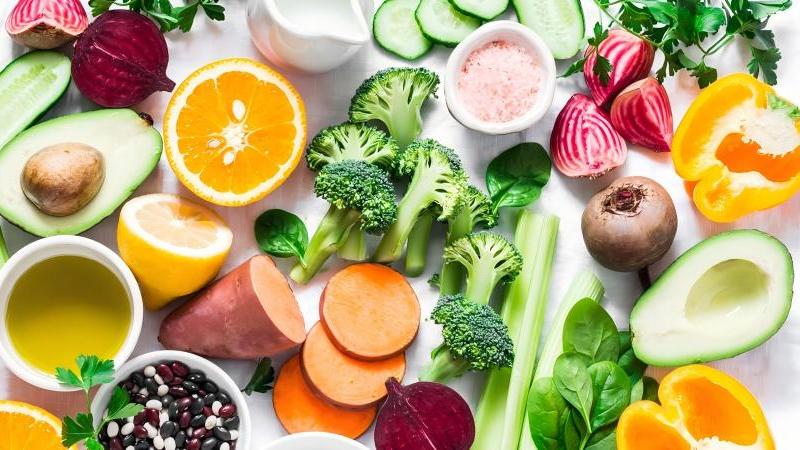
Broccoli: rich in vitamin C, vitamin A, calcium, potassium and other nutrients,with antioxidant, anti-cancer, blood pressure and other effects. Spinach: rich in iron, calcium, folic acid and other nutrients, helps to replenish blood, eyesight, enhance immunity. Tomato: rich in lycopene, with antioxidant, anti-aging, cardiovascular protection.
Grains
Oats: rich in dietary fiber, protein, minerals, etc., with lowering blood sugar, lowering blood fat, weight loss and other effects. Brown rice: rich in B vitamins, dietary fiber, etc., to help prevent constipation, diabetes and other diseases. Corn: rich in vitamins, minerals, dietary fiber, etc., with lower blood pressure, blood fat, anti-aging and other effects.
In short, health and deliciousness are not incompatible. By choosing nutrient-rich ingredients, using healthy cooking methods and following the principle of reasonable collocation, we can enjoy the food at the same time, get the body's health nourishment. These new food choices recommended by dietitians provide us with more ideas and methods for healthy eating. Let's discover and create the wonderful collision of health and deliciousness in our daily life with all our heart, so that eating can become a kind of enjoyment and health can become a way of life.






Advertisement
Advertisement