Advertisement
In the pursuit of a healthy life, we are often confused by all kinds of seemingly healthy foods. However, some foods seem to be beneficial on the surface, but in fact they may cause potential harm to our bodies. Today, let us uncover the true face of these foods and improve our understanding of them so as to better protect our health.
1. Juice
In many people's cognition, juice is a healthy drink rich in vitamins and minerals. But in fact, juice is not as good as we think. First, juice often loses a lot of dietary fiber during the production process, and dietary fiber plays an important role in maintaining intestinal health and satiety. Secondly, the sugar content in juice is usually high. A glass of juice may contain the sugar of multiple fruits. Excessive drinking can easily lead to high blood sugar and increase the risk of diabetes. In addition, long-term and large-scale drinking of juice may also cause tooth decay and weight gain.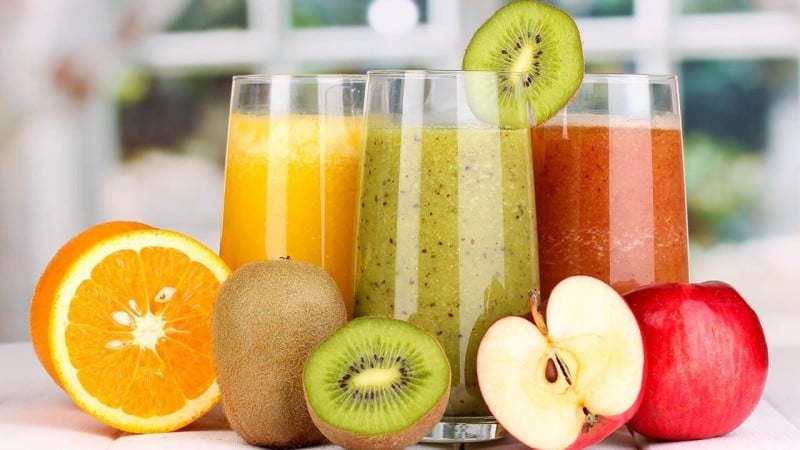
2. Preserved fruit
Preserved fruit looks like a concentrated form of fruit and seems to be very healthy. But in fact, a lot of sugar is added to preserved fruit during the production process to maintain its taste and color. These added sugars make preserved fruits high-sugar foods, and excessive consumption can have adverse effects on the body, such as increasing the risk of obesity and cardiovascular disease. Moreover, some nutrients in preserved fruits will be lost during processing.
3. Energy bars
Energy bars are often used by athletes and fitness enthusiasts as a choice for energy supplementation. However, some energy bars contain high amounts of sugar, fat and additives. Although they may provide a certain amount of energy, excessive consumption may lead to excessive energy intake, which in turn affects weight and health. When choosing energy bars, you need to carefully check the ingredient list and choose low-sugar, low-fat and nutritious products.
4. Sugar-free foods
As people pay more attention to health, sugar-free foods are gradually becoming popular. But it should be noted that "sugar-free" does not mean completely harmless. Although some sugar-free foods do not contain traditional sugars such as sucrose, other sweeteners may be added, such as aspartame, acesulfame potassium, etc. Long-term and large-scale consumption of these sweeteners may affect the intestinal flora, thereby affecting physical health. In addition, some sugar-free foods may add more fat or other ingredients to make up for the lack of taste, and they also need to be selected with caution.
5. Salted nuts
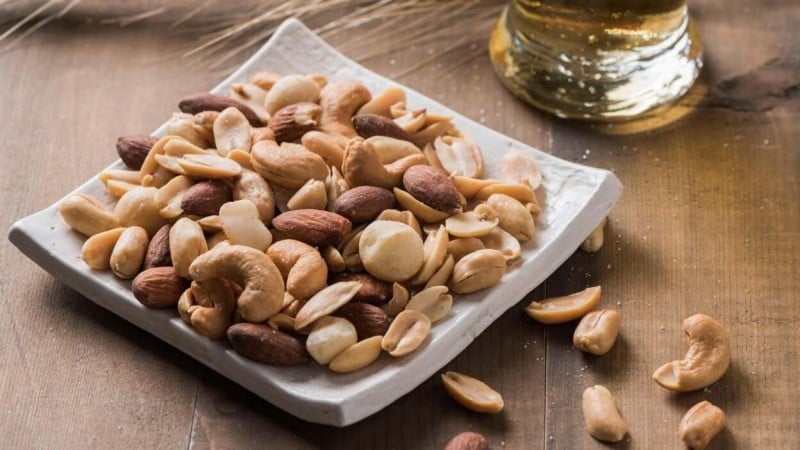
Nuts themselves are a healthy food, rich in protein, unsaturated fatty acids and multiple vitamins. However, a lot of salt is added to salted nuts during processing. Excessive consumption will increase sodium intake, lead to high blood pressure and increase the risk of cardiovascular disease. Therefore, when choosing nuts, it is best to choose original or roasted nuts and avoid salted nuts.
6. Whole wheat bread
Whole wheat bread is considered a healthy staple food choice because it is rich in dietary fiber and other nutrients. However, some so-called whole wheat breads on the market may not be true whole wheat products. In order to reduce costs or improve the taste, some unscrupulous merchants will add a lot of refined flour and additives to whole wheat bread. Therefore, when buying whole wheat bread, you need to carefully check the ingredient list to ensure that it contains enough whole wheat flour.

7. Yogurt drinks
Yogurt drinks are often under the banner of yogurt, but in fact they are very different from real yogurt. Yogurt drinks often contain a lot of sugar and additives, while the content of nutrients such as protein and calcium is low. Excessive consumption of yogurt drinks not only fails to provide enough nutrition, but may also lead to excessive sugar intake and affect health. When choosing yogurt, choose real yogurt that is low in sugar, has no additives, and is rich in protein.
8. Instant oatmeal
Oatmeal is a healthy breakfast choice, but there may be some problems with instant oatmeal. Some instant oatmeal is over-processed during processing, resulting in the loss of nutrients such as dietary fiber. In addition, some instant oatmeal may have a lot of sugar and additives added to it, making it less healthy. When choosing oatmeal, it is best to choose unprocessed or less processed oatmeal.
9. Dried vegetables
Dried vegetables seem to be a healthy snack choice because they retain some of the nutrients of vegetables. However, dried vegetables are often processed by high temperature dehydration during the production process, which may lead to the loss of some nutrients. Moreover, some dried vegetables will add a lot of salt and sugar to improve the taste, making them high-salt and high-sugar foods. Therefore, dried vegetables cannot completely replace fresh vegetables and can only be used as an occasional snack choice.
10. Functional beverages
Functional beverages claim to provide energy, enhance physical strength, etc., but they may actually cause potential harm to health. Functional drinks usually contain a lot of caffeine, sugar and other additives. Excessive drinking may cause problems such as increased heart rate, high blood pressure, and insomnia. Especially for special groups such as children, pregnant women and the elderly, they should avoid drinking functional drinks.
These seemingly healthy but actually very harmful foods remind us that we cannot judge the healthiness of food based solely on superficial phenomena. When choosing food, we should carefully check the ingredient list to understand its nutritional content and additives and make wise choices. At the same time, maintaining a balanced diet and a healthy lifestyle is the key to maintaining good health. Have you ever been confused by these foods? What new understandings and views do you have about them? Let us continue to explore the path of healthy eating and pursue a healthier life.





Advertisement
Advertisement