Advertisement
In the fast-paced modern life, emotional stability has become the goal pursued by many people. Faced with emotional problems such as stress, anxiety, and depression, people often seek psychological counseling, exercise, meditation and other ways to adjust. However, what is less known is that the five flavors of sour, sweet, bitter, spicy and salty in our daily diet may also be inextricably linked to emotional stability. So how can we manage emotions through food? Let's take a look!
Sour taste: Converge the mind and relieve excitement
Organic acids such as citric acid and malic acid in sour foods can not only promote metabolism, but also stimulate taste buds and enhance appetite. In traditional Chinese medicine theory, sour foods help to converge the mind and relieve overexcited and anxious emotions.

Studies have found that ingredients such as citric acid in sour foods can stimulate the brain to release endorphins, which are neurotransmitters that help relieve pain and anxiety. In addition, sour taste can promote gastric juice secretion, help digestion, and also improve loss of appetite caused by emotional problems.
Recommended foods: lemon, yogurt, hawthorn, vinegar, etc. When you feel anxious or too excited to fall asleep, have a glass of lemonade or eat a hawthorn, and let the sour taste help you calm down and relieve your mood.
Sweetness: Relieve stress and increase pleasure
The sugar in sweets can stimulate the brain to release dopamine, a neurotransmitter that makes people feel happy. Moderate intake of sweets can relieve stress and improve mood, especially when you are depressed or stressed.
A study on women found that moderate intake of sweets can relieve mood swings and anxiety symptoms before or during menstruation. This is because the sugar in sweets can stimulate the brain to secrete endorphins and serotonin, both of which help to improve mood.
Recommended foods: honey, dark chocolate (choose varieties with a higher cocoa content to reduce sugar intake), fresh fruits (such as bananas, strawberries), etc. When you feel depressed or under great pressure from work and study, you can eat some sweets in moderation to let the sweet taste take away your troubles. However, it should be noted that excessive intake of sugar may cause blood sugar fluctuations and affect health, so the amount of consumption should be controlled.
Bitterness: Clears away heat and purges fire, stabilizes mood
Bitter foods such as bitter melon and buckwheat tea contain a variety of bioactive ingredients, such as bitter melon and flavonoids, which can clear away heat and detoxify, purge fire and relieve restlessness, and relieve mood swings caused by internal heat.
A moderate intake of bitter foods can lower blood pressure and improve cardiovascular health, thus helping to stabilize mood. This is because the bioactive ingredients in bitter foods can dilate blood vessels and promote blood circulation.
Recommended foods: bitter melon, buckwheat tea, lotus seed core, etc. When you feel irritable or have insomnia and dreaminess caused by internal heat, you can try to eat some bitter foods to let the bitterness help you clear away heat and purge fire and stabilize your mood.
Spicy taste: Dissipate cold air and boost spirits
Capsaicin and other ingredients in spicy foods can stimulate the mouth and digestive tract, promote blood circulation, and accelerate metabolism, thereby helping people release stress and boost spirits. A moderate intake of spicy foods can also enhance the body's resistance and self-confidence.
A moderate intake of spicy foods can also improve mood and relieve anxiety symptoms. This is because capsaicin can stimulate the brain to release endorphins and adrenaline, both of which help improve mood and alertness.

Recommended foods: chili peppers, peppercorns, ginger, garlic, etc. When you feel depressed or lack confidence, you can try adding an appropriate amount of chili peppers or peppercorns to your dishes to let the spiciness stimulate your fighting spirit. However, it should be noted that excessive consumption of spicy food may cause gastrointestinal discomfort, and it should be consumed in moderation according to personal constitution.
Salty taste: balance body fluids and stabilize emotions
A moderate intake of salt can maintain electrolyte balance in the body, which is essential for maintaining normal nerve and muscle function. At the same time, the sodium ions in salty foods can promote the brain to release serotonin, a neurotransmitter that helps stabilize emotions.
A study on athletes found that a moderate intake of salt can relieve fatigue and mood swings caused by exercise. This is because salt can maintain the balance of water and electrolytes in the body, which helps stabilize emotions and improve physical fitness.
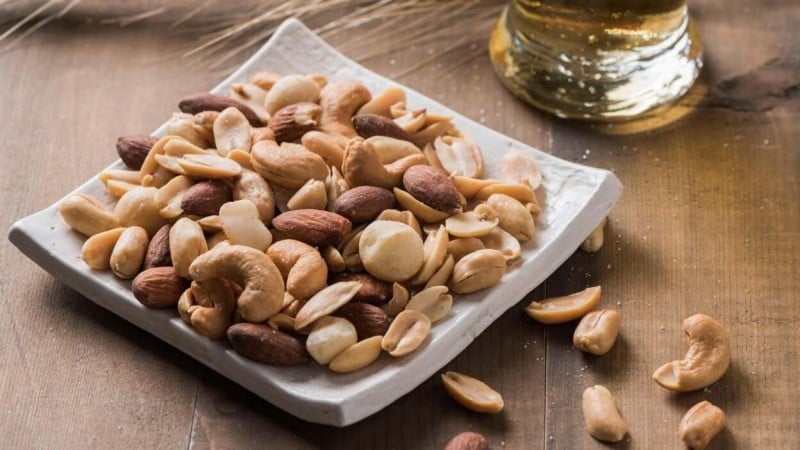
Recommended foods: kelp, nuts (such as salt-baked cashews), low-salt soy sauce, etc. When you feel your mood swings are large or you have trouble falling asleep, you can try to eat some salty foods in moderation, such as a handful of salt-baked cashews or a bowl of kelp soup, so that the salty taste can help you balance your body fluids and stabilize your mood. However, it should be noted that excessive intake of salt may lead to health problems such as high blood pressure, so the daily salt intake should be controlled.
Harmony of five flavors, stable mood
Foods with different flavors affect our emotional state by affecting the release of neurotransmitters in the brain. However, this does not mean that we can completely regulate our emotions through a single flavor. In fact, a balanced diet and harmony of five flavors are the key to maintaining emotional stability.
In our daily diet, we should pay attention to the diversity of food and consume food of different flavors in moderation to meet the body's nutritional needs and achieve the purpose of regulating emotions. In addition, we should also pay attention to individual physical differences to avoid physical discomfort caused by excessive intake of food of a certain flavor.
Finally, it should be emphasized that although there is a certain scientific basis for regulating emotions through diet, when facing serious emotional problems, such as long-term anxiety and depression, professional psychological counseling and treatment are still needed. Dietary adjustment can only be used as an auxiliary means and cannot replace professional treatment.
Through the connection between the five flavors and emotions, we can not only better understand our own emotional state, but also regulate our emotions through diet in our daily lives and improve our quality of life. I hope you can find your own way to stabilize your emotions through a diet that harmonizes the five flavors.






Advertisement
Advertisement